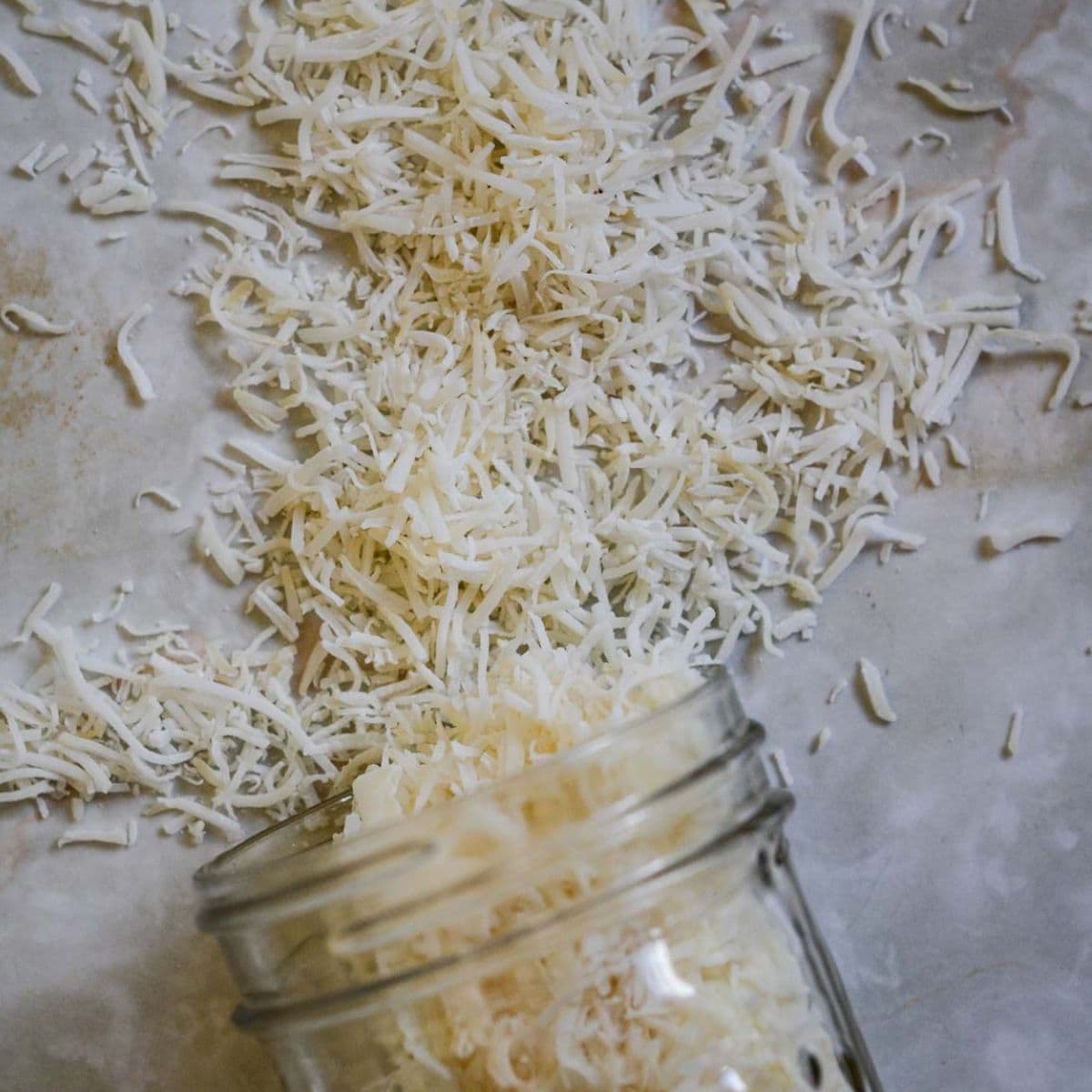
Desiccated vs. Shredded Coconut: Unlock Fresh Flavor at Home
Are you ready to elevate your baking and cooking with the vibrant, tropical essence of fresh coconut? While store-bought options are convenient, there's an undeniable magic in creating your own shredded and desiccated coconut right in your kitchen. Not only does it promise unparalleled freshness, but it also allows for complete customization, making it a game-changer for any home chef. Many often wonder about the distinction and the process, so let's dive into **how to make shredded coconut desiccated coconut** and uncover the secrets to unlocking pure, potent flavor.
The Allure of Homemade Coconut: Why Bother?
Venturing into the world of homemade coconut products might seem daunting at first glance, but the rewards far outweigh the effort. Freshly prepared coconut offers a multitude of benefits that packaged versions simply can't match:
- Unrivaled Freshness: Store-bought desiccated or shredded coconut can sit on shelves for extended periods, leading to a loss of natural aroma and flavor. Making it at home ensures you're working with the freshest possible ingredient, bursting with tropical goodness.
- Purity and Control: Commercial products sometimes contain added sugars, preservatives, or anti-caking agents. When you make your own, you control every ingredient. You can choose to keep it unsweetened, which is often hard to find in stores, or add a touch of natural sweetener if desired.
- Customizable Texture: Whether you prefer fine, crumb-like desiccated coconut for delicate confections or longer, chewier shredded strands for toppings, making it yourself gives you the power to achieve your ideal texture. You can even create coarse coconut flakes!
- Allergen-Friendly & Dietary Staple: Coconut is naturally keto, low-carb, gluten-free, nut-free, and grain-free. For those with specific dietary needs or allergies, homemade coconut is a fantastic, safe, and versatile pantry staple. Discover more about tailoring your ingredients in Customizable & Allergen-Friendly: Make Desiccated Coconut at Home.
- Cost-Effective & Sustainable: Over time, buying whole coconuts can be more economical than purchasing specialty dried coconut products. Plus, you can utilize the coconut water, and even the shells for crafting, reducing waste.
Once you experience the superior taste and texture of homemade coconut, going back to store-bought will feel like a compromise.
Desiccated vs. Shredded: Unpacking the Differences
While the terms "desiccated coconut" and "shredded coconut" are frequently used interchangeably in everyday conversation, they technically refer to two distinct products with different characteristics and ideal uses. Understanding these nuances is key to mastering **how to make shredded coconut desiccated coconut** and applying them correctly in your recipes.
- Desiccated Coconut: This form is more finely ground, resembling coarse crumbs or small flakes. It is characterized by its very low moisture content, making it significantly drier than shredded coconut. Due to its finer texture and reduced moisture, desiccated coconut is excellent for recipes where a uniform, crumbly texture is desired, such as in macaroons, energy balls, or as a base for crusts. It retains its natural fats, differentiating it from coconut flour, which is defatted and much finer.
- Shredded Coconut: This variety consists of grated coconut meat in longer, thinner strands. While also dried, it retains more of its natural moisture compared to desiccated coconut, resulting in a slightly chewier and more pliable texture. Shredded coconut is perfect for toppings on cakes, pies, and fruit salads, as well as for adding texture to baked goods where a more substantial coconut presence is desired.
- Coconut Flakes: For an even coarser texture, you can create coconut flakes. This is typically done by using a vegetable peeler or a larger grater setting, resulting in broad, thin pieces of coconut meat that offer a satisfying crunch.
Essentially, the process of making both at home starts similarly, with the primary differentiators being the method of grating and the extent of drying.
Your Step-by-Step Guide to Fresh Coconut Goodness
Ready to embark on your coconut crafting journey? Here's your comprehensive guide to transforming a whole coconut into delicious desiccated or shredded varieties.
Selecting the Perfect Coconut
The foundation of great homemade coconut begins with choosing the right whole coconut.
- Opt for Mature Coconuts: Always select mature coconuts. These have firm, thick white meat with a lower moisture content, making them ideal for grating and drying.
- Avoid Young Coconuts: Young coconuts contain soft, jelly-like meat with high water content, which is difficult to grate and dehydrate effectively.
- Inspect Thoroughly: Choose a coconut that feels heavy for its size. Shake it – you should hear liquid sloshing inside, indicating it's fresh and hasn't dried out. Avoid any coconuts with visible cracks, leaks, or mold around the "eyes."
Cracking the Code: Opening Your Coconut
Opening a coconut can seem intimidating, but with a few simple techniques, it's quite manageable. Always exercise caution and protect your hands.
- Drain the Water: Before cracking, locate the three "eyes" on one end of the coconut. One or two of them will be softer than the others. Puncture these soft spots with a clean screwdriver or a sturdy metal skewer and drain the refreshing coconut water into a bowl. This water is excellent for drinking or adding to smoothies.
- Choose Your Cracking Method:
- The Hammer Method: Hold the coconut firmly in one hand or place it on a stable surface. Using a hammer, repeatedly tap firmly around the equator of the coconut, rotating it as you go. You'll soon see a crack form, which will deepen until the coconut splits into two halves.
- Oven Pre-Bake Method: For easier meat removal, you can place the drained coconut halves in an oven preheated to 175°F (80°C) for 10-15 minutes. This gentle heat helps the meat contract and separate from the shell, making it much easier to pry out.
- Freezer Method: Place the whole, drained coconut in the freezer overnight. The extreme cold can make the shell more brittle and easier to crack open with a hammer the next day, and the meat often separates cleanly.
- Remove the Meat: Once cracked, use a sturdy spoon, a butter knife, or a specialized coconut tool to pry the white meat from the shell. The oven or freezer methods often result in the meat detaching in larger, cleaner pieces. If there's a thin brown skin (testa) on the meat, you can peel it off with a vegetable peeler or small paring knife if desired, though it's perfectly edible.
From Shell to Shred: Grating and Drying
Now for the exciting part – transforming your fresh coconut meat into the desired texture.
- Grating Your Coconut:
- For Desiccated Coconut (Fine): Use the smallest holes on a box grater, or pulse the coconut meat in a food processor until it reaches a fine, crumbly consistency. Be careful not to over-process, or it might turn into a paste.
- For Shredded Coconut (Longer Strands): Use the larger holes on a box grater. Alternatively, if using a food processor, use the grating attachment. For coarser flakes, a vegetable peeler can create broad, thin pieces.
- Drying Your Coconut: The goal is to remove moisture without browning.
- Oven Method: Spread the grated coconut evenly in a single layer on a baking sheet. Place it in a preheated oven at a very low temperature, typically 175-200°F (80-95°C). Stir the coconut every 10-15 minutes to ensure even drying and prevent browning. The drying time will vary depending on your desired texture and the coconut's moisture content, usually taking 30 minutes to 1.5 hours. Desiccated coconut will require a longer drying time to achieve its signature dryness.
- Dehydrator Method: This is an excellent option for more even and hands-off drying. Spread the coconut in a single layer on dehydrator trays. Set the temperature to around 115-125°F (46-52°C). Dehydrating can take several hours (4-8+ hours) but offers precise control and a lower risk of browning.
- Cool and Store: Once the coconut is dried to your preferred texture (fine and very dry for desiccated; slightly pliable and drier for shredded), remove it from the heat source and let it cool completely to room temperature. This is crucial for preventing condensation and extending shelf life. Store your homemade desiccated or shredded coconut in an airtight container at room temperature for 1-2 weeks, in the refrigerator for up to a month, or in the freezer for up to 6 months.
Creative Ways to Use Your Homemade Coconut
With your freshly prepared desiccated and shredded coconut ready, the culinary possibilities are endless!
- Baking Masterpieces: Incorporate desiccated coconut into rich macaroons, chewy coconut cookies, or dense coconut cakes. Shredded coconut adds delightful texture to muffins, loaves, and granola bars.
- Tropical Desserts & Toppings: Sprinkle your homemade coconut over fresh fruit salads, yogurt parfaits, chia puddings, or a scoop of ice cream. It's a fantastic garnish for pies and tarts.
- Savory Adventures: Don't limit coconut to sweet treats! Fine desiccated coconut can be used to coat chicken or fish for a delightful crust, or added to curries and stews for an authentic, creamy depth of flavor.
- Smoothie Boost: A spoonful of fresh coconut adds a boost of healthy fats and fiber to your morning smoothie.
- Energy Bites & Snacks: Mix with dates, nuts, and cocoa for quick, healthy energy balls.
For more detailed recipes and inspiring ways to use your homemade creation, check out
Make Your Own Shredded Coconut: Fresh & Versatile at Home.
Making your own shredded and desiccated coconut is a wonderfully rewarding experience that guarantees fresh, customizable, and pure results. By understanding the subtle differences between these two versatile forms and following these simple steps, you'll unlock a world of tropical flavor right in your own kitchen. Say goodbye to dull, store-bought versions and hello to vibrant, homemade goodness that will undoubtedly enhance your favorite dishes. Give it a try – your taste buds will thank you!